
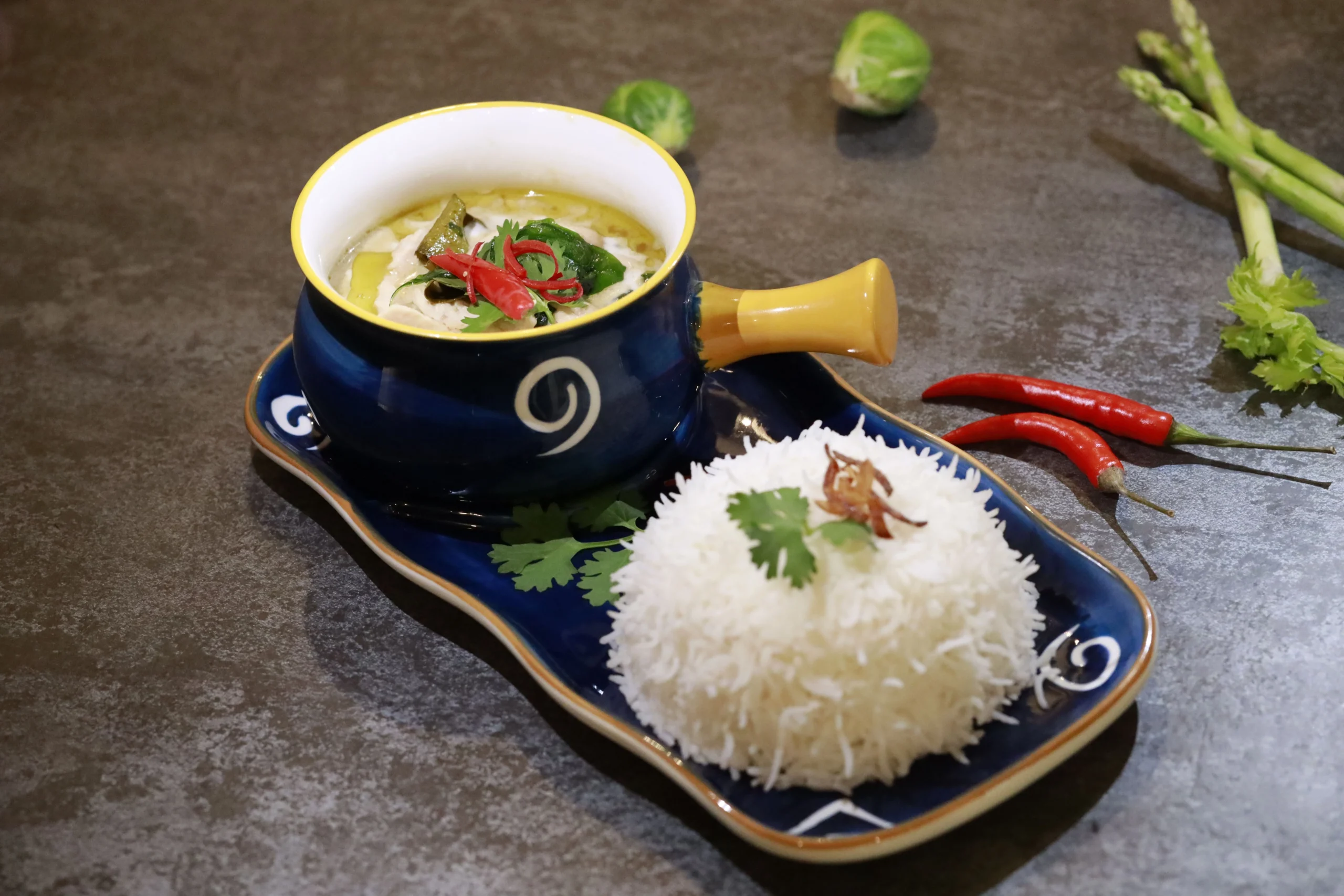
If you have come across the term dampfreis, you may be wondering what it means. The word comes from German, where “Dampf” means steam and “Reis” means rice. Together, dampfreis simply refers to steamed rice, a cooking method that produces fluffy, tender grains without making them sticky or overly wet.
Steamed rice is one of the world’s most popular staple foods. It is enjoyed across Asia, Europe, Africa, and the Americas as a side dish or the foundation of countless meals. Whether served with vegetables, curries, grilled meats, seafood, or stir-fries, steamed rice is valued for its simple flavor, versatility, and nutritional benefits.
This guide explains everything you need to know about dampfreis, including its meaning, cooking methods, health benefits, nutritional value, different rice varieties, serving ideas, storage tips, and answers to frequently asked questions.
What Is Dampfreis?
Dampfreis is the German word for steamed rice. Unlike rice that is boiled in excess water and drained, steamed rice is cooked using a measured amount of water or steam until the grains become soft, light, and fluffy.
Steaming helps preserve the texture of the rice while preventing it from becoming mushy. This method is widely used in both home kitchens and professional restaurants because it produces consistent results.
Depending on the recipe, dampfreis can be prepared using:
- A rice cooker
- A saucepan with a lid
- A bamboo steamer
- An electric food steamer
- A pressure cooker
Why Is Steamed Rice So Popular?
Steamed rice has remained a staple food for centuries because it is simple to prepare, affordable, and pairs well with almost any cuisine.
Some reasons for its popularity include:
- Mild flavor that complements many dishes
- Quick and easy preparation
- Suitable for vegetarian and vegan meals
- Naturally gluten free
- Long shelf life when stored properly
- Excellent source of carbohydrates for energy
Its versatility makes it a favorite in homes and restaurants around the world.
Types of Rice Used for Dampfreis
Not every rice variety produces the same texture. Choosing the right type of rice is important for the best results.
Long Grain Rice
Long-grain rice cooks into separate, fluffy grains and is commonly served with curries, grilled meats, and vegetable dishes.
Basmati Rice
Basmati rice is known for its fragrant aroma and long, slender grains. It is a popular choice for Indian, Pakistani, and Middle Eastern cuisine.
Jasmine Rice
Originating from Thailand, jasmine rice has a naturally floral aroma and a soft texture, making it perfect for many Asian dishes.
Medium Grain Rice
Medium-grain rice is slightly softer and stickier than long-grain varieties. It works well in many everyday meals.
Brown Rice
Brown rice contains the bran layer, making it higher in fiber, vitamins, and minerals than white rice. It requires a longer cooking time but offers additional nutritional value.
Short Grain Rice
Short-grain rice becomes softer and stickier after cooking. While it can be steamed, it is more commonly used in sushi and other dishes where a sticky texture is preferred.
Nutritional Value of Dampfreis
The nutritional content depends on the variety of rice used, but a typical serving of cooked white steamed rice provides approximately:
| Nutrient | Amount per 100 g |
|---|---|
| Calories | 130 kcal |
| Carbohydrates | 28 g |
| Protein | 2.7 g |
| Fat | 0.3 g |
| Fiber | 0.4 g |
| Sodium | Very low |
Brown rice generally contains more fiber, magnesium, and B vitamins than white rice.
Health Benefits of Dampfreis
Steamed rice offers several nutritional and practical benefits when included as part of a balanced diet.
Easy to Digest
Steamed rice is gentle on the stomach, making it a common choice during recovery from illness or digestive discomfort.
Excellent Source of Energy
Rice provides complex carbohydrates that supply energy for daily activities, exercise, and work.
Naturally Gluten Free
Rice is naturally gluten free, making it suitable for people with gluten intolerance or celiac disease, provided it has not been contaminated during processing.
Low in Fat
Plain steamed rice contains very little fat, making it an excellent accompaniment to lean proteins and vegetables.
Supports a Balanced Diet
Steamed rice pairs well with protein-rich foods, legumes, and vegetables, creating balanced meals that are both satisfying and nutritious.
How to Make Dampfreis
Preparing steamed rice is simple when the correct ratio of rice to water is used.
Ingredients
- 1 cup rice
- 1½ to 2 cups water (depending on the rice variety)
- A pinch of salt (optional)
Instructions
- Rinse the rice under cold water until the water runs mostly clear.
- Add the rice and water to a saucepan or rice cooker.
- Bring the water to a boil.
- Reduce the heat to low and cover with a tight-fitting lid.
- Cook until the water has been absorbed.
- Remove from the heat and let the rice rest for 10 minutes.
- Fluff gently with a fork before serving.
Resting the rice before fluffing helps the grains finish cooking evenly.
Tips for Perfect Steamed Rice
Small adjustments can greatly improve the final result.
- Rinse rice before cooking to remove excess starch.
- Use the correct water ratio for the rice variety.
- Avoid lifting the lid during cooking.
- Let the rice rest before serving.
- Fluff gently instead of stirring vigorously.
- Store leftover rice safely and refrigerate promptly.
Dampfreis vs Boiled Rice
Although both methods cook rice, they produce different textures.
| Feature | Dampfreis | Boiled Rice |
|---|---|---|
| Cooking method | Steamed or cooked with measured water | Cooked in excess water and drained |
| Texture | Fluffy and tender | Softer and sometimes wetter |
| Flavor | More concentrated | Slightly milder |
| Nutrient retention | Generally higher | Some nutrients may be lost in discarded water |
| Best for | Everyday meals, curries, stir-fries | Salads and simple side dishes |
Popular Dishes Made with Dampfreis
Steamed rice is one of the most versatile ingredients in global cuisine.
Popular dishes include:
- Vegetable stir-fries
- Chicken curry
- Beef stew
- Grilled salmon
- Fried tofu
- Thai curries
- Japanese teriyaki
- Chinese stir-fried vegetables
- Korean barbecue
- Indian dal
- Pakistani karahi
- Mediterranean grilled chicken
Its neutral flavor makes it suitable for both savory and mildly sweet dishes.
Can Dampfreis Be Made in a Rice Cooker?
Yes. Rice cookers are one of the easiest ways to prepare dampfreis.
Benefits include:
- Consistent cooking
- Automatic temperature control
- Minimal supervision
- Warm setting after cooking
- Easy cleanup
Many households prefer rice cookers because they simplify the cooking process.
Common Mistakes to Avoid
Even simple recipes can go wrong if a few basics are overlooked.
Avoid these mistakes:
- Using too much water
- Using too little water
- Skipping the rinsing step
- Removing the lid too early
- Stirring while the rice cooks
- Forgetting to let the rice rest
These errors can result in rice that is mushy, undercooked, or unevenly cooked.
How to Store Leftover Dampfreis
Proper storage helps maintain quality and food safety.
- Cool the rice soon after cooking.
- Store it in an airtight container.
- Refrigerate within two hours.
- Consume within three to four days.
- Reheat thoroughly until piping hot.
Do not leave cooked rice at room temperature for extended periods, as bacteria can multiply.
Can You Freeze Steamed Rice?
Yes. Dampfreis freezes well.
To freeze:
- Allow the rice to cool completely.
- Divide it into meal-sized portions.
- Place it in freezer-safe bags or containers.
- Freeze for up to three months.
- Reheat directly from frozen or after thawing in the refrigerator.
Freezing is a convenient way to prepare meals in advance.
Is Dampfreis Healthy?
Yes. Steamed rice can be part of a healthy diet when eaten in appropriate portions and paired with nutrient-rich foods.
A balanced plate might include:
- Steamed rice
- Lean protein such as chicken, fish, tofu, or beans
- Plenty of vegetables
- Healthy fats from nuts, seeds, or olive oil
Choosing whole-grain options like brown rice can further increase fiber and nutrient intake.
FAQs
What does dampfreis mean?
Dampfreis is the German word for steamed rice. It combines the words Dampf (steam) and Reis (rice).
Is dampfreis the same as boiled rice?
Not exactly. Dampfreis is cooked using steam or a measured amount of water, resulting in fluffy grains, while boiled rice is often cooked in excess water that is drained.
Which rice is best for dampfreis?
Long-grain rice, basmati, jasmine, and brown rice are all excellent choices, depending on the texture and flavor you prefer.
Do I need to rinse rice before steaming?
Yes. Rinsing removes excess starch, helping the grains stay separate and fluffy after cooking.
Can dampfreis be prepared without a rice cooker?
Absolutely. A saucepan with a tight-fitting lid, a steamer, or a pressure cooker can all be used successfully.
Is steamed rice healthier than fried rice?
Generally, yes. Plain steamed rice contains less fat and fewer calories because it is not cooked with oil or butter.
How long does cooked dampfreis last?
Stored properly in the refrigerator, cooked steamed rice is best consumed within three to four days.
Wrapping Up
Dampfreis, or steamed rice, is one of the simplest yet most versatile foods enjoyed around the world. Its light texture, mild flavor, and ability to complement countless dishes make it a staple in many cuisines. Whether you prepare it with a traditional pot, a bamboo steamer, or a rice cooker, mastering the basics ensures consistently fluffy and delicious results. Combined with vegetables, lean proteins, and flavorful sauces, dampfreis can be the foundation of nutritious, satisfying meals for every occasion.