
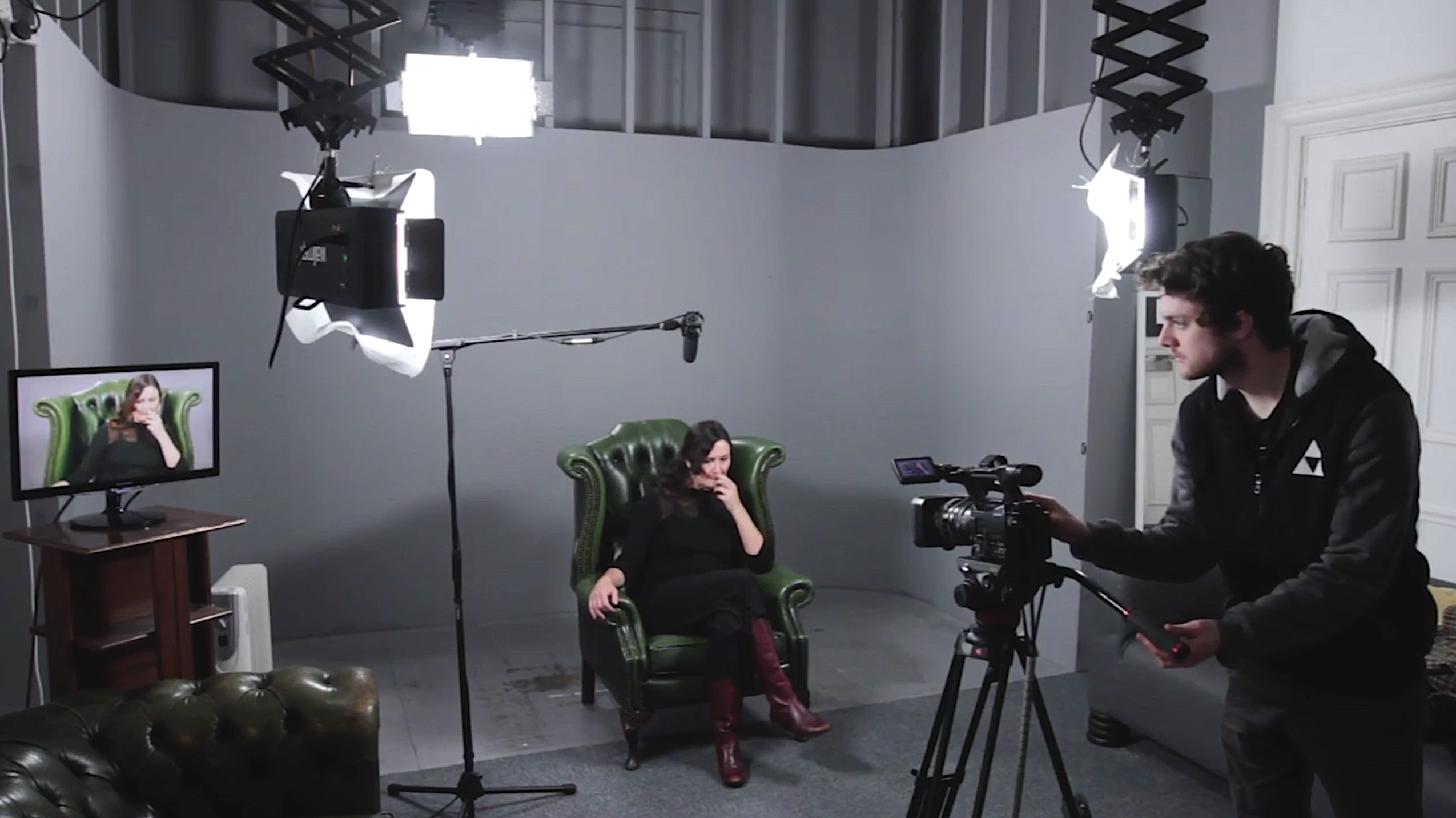
Planning for the future often feels uncertain and complex. Many teams rely on predictions and trends yet those methods do not always lead to clear results. A more effective approach is to define a desired future and then work backward to achieve it. This powerful concept is known as backcasting and it is commonly practiced inside a back casting room.
A back casting room is not just a meeting space. It is a focused environment where teams imagine success in the future and then design a clear path to reach it. This method helps organizations move beyond guesswork and build strategies with purpose.
In this guide you will learn the meaning of the process behind backcasting its benefits real world applications and how it helps teams plan smarter for long term success.
What is a back casting room
A back casting room is a dedicated space where individuals or teams gather to define a future goal and then plan backward to the present. Instead of starting from current conditions this approach begins with a clear vision of success.
Inside a back casting room teams focus on answering one key question what future do we want to create.
Once the vision is defined they identify the steps required to achieve it by moving backward step by step. This makes complex goals easier to understand and execute.
The purpose of this method is to transform ideas into actionable plans. It allows teams to move from imagination to implementation with clarity.
Why future focused planning is important
Traditional planning methods rely on forecasting which means predicting what might happen based on current trends. While this can be useful it often limits innovation because it assumes the future will look similar to today.
A back casting room changes this approach completely. It allows teams to design the future instead of predicting it.
For example imagine building a project without a clear end goal. The process becomes confusing and inefficient. But when the final result is defined first the path becomes easier to follow.
This is why future focused planning is gaining importance in modern organizations. It helps leaders think beyond limitations and create meaningful strategies.
How the backcasting process works
The backcasting process used inside a back casting room follows a simple structure.
First the team defines a clear future vision. This vision should be specific realistic and aligned with long term goals.
Second the team identifies key milestones that must be achieved to reach that future.
Third the team works backward from the goal to the present by mapping each step required.
This method breaks large objectives into manageable actions. It also helps teams stay focused on what truly matters.
By using a back casting room organizations can create structured plans that guide them toward success.
Activities inside a back casting room
A back casting room is an active and collaborative environment. It encourages creativity discussion and problem solving.
The first activity is vision creation. Teams imagine the ideal future and define what success looks like.
The second activity is scenario exploration. Different possible paths are discussed to understand opportunities and challenges.
The third activity is reverse planning. Teams map out steps from the future goal back to the present.
The final activity is strategy development. Clear actions priorities and timelines are established.
These steps ensure that every idea turns into a practical plan.
Benefits of using a back casting room
Using a back casting room offers many advantages for organizations and teams.
It promotes creative thinking by allowing people to imagine bold possibilities.
It provides clear direction by turning goals into step by step plans.
It supports innovation by focusing on future outcomes instead of current limitations.
It improves collaboration by bringing different perspectives together.
It enhances decision making by creating structured strategies based on clear goals.
These benefits make it an essential tool for modern planning.
Real world applications of backcasting
The concept of a back casting room is widely used across industries.
In urban planning it helps design sustainable cities by defining future environmental goals.
In business it supports long term strategy development and competitive planning.
In technology it helps teams create innovative products by imagining future user needs.
In education it allows institutions to design better learning systems for future generations.
These examples show how powerful the backcasting method can be when applied effectively.
Why the environment matters
The design of a back casting room plays an important role in its effectiveness.
A well designed space encourages open thinking and collaboration. It should include tools that support brainstorming and visualization.
Many organizations use whiteboards digital screens and planning tools to help teams organize ideas.
The goal is to create an environment where people feel comfortable sharing ideas and exploring new possibilities.
A strong environment leads to better results and more effective planning.
What is a back casting room
A back casting room is a space where teams define a future goal and plan backward to achieve it. It focuses on creating strategies based on desired outcomes.
How does backcasting differ from forecasting
Backcasting starts with a future vision and works backward while forecasting predicts future outcomes based on current trends.
Why is a back casting room useful
A back casting room helps teams create clear strategies improve collaboration and focus on long term goals.
Who uses back casting rooms
Businesses governments researchers and planners use a back casting room to design strategies and solve complex problems.
Can small teams use a back casting room
Yes even small teams can use a back casting room to plan projects and achieve goals more effectively.
Simple way to understand backcasting
The easiest way to understand a back casting room is to think about planning a journey.
You first decide your destination then you map the steps needed to reach it.
This approach removes confusion and provides a clear direction.
It helps teams focus on results and create structured plans.
Growing importance of backcasting
In a rapidly changing world organizations need better planning methods.
The back casting room approach is becoming more popular because it allows teams to shape the future instead of reacting to it.
It helps leaders think strategically and create long term solutions.
As industries evolve this method will continue to play a key role in innovation and growth.
Conclusion
A back casting room is a powerful tool for future-focused planning. It helps teams define clear goals and create structured paths to achieve them.
By starting with the end result and working backward organizations can build smarter strategies and reduce uncertainty.
This method encourages creativity improves collaboration and supports innovation across different industries.
As the world continues to change the ability to plan effectively becomes more important than ever. Using a allows teams to take control of their future and turn ideas into reality.